EU Commission Removes Cattle Hides and Leather From EUDR Scope: A Leather Jacket Buyer Briefing
- Share
- publisher
- Melvin
- Issue Time
- Sep 13,2026
Summary
On July 13, 2026, the European Commission removed cattle hides, skins and leather from the EUDR product scope, cancelling a documentation step that had been scheduled for leather from December 30, 2026.
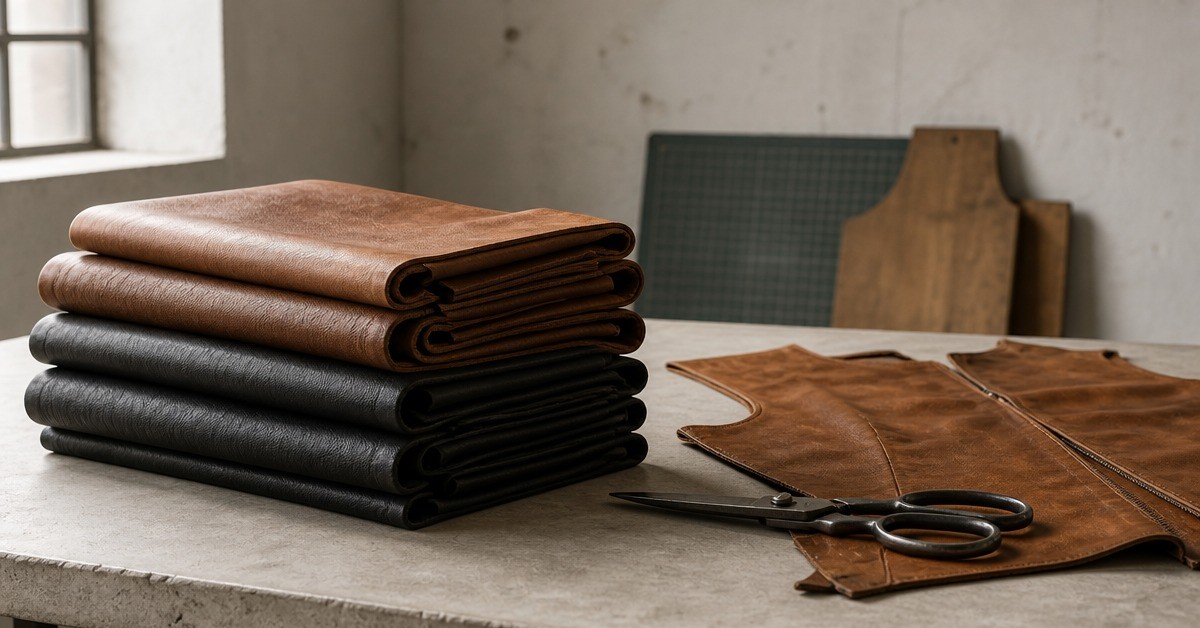
On July 13, 2026, the European Commission adopted a delegated act that removes cattle hides, skins and leather from the product scope of the EU Deforestation Regulation (EUDR), the rules that require operators placing covered commodities on the EU market to show the goods are deforestation-free.
For leather jacket buyers in the EU and the United States, the change cancels a documentation step that had been scheduled to apply to leather from December 30, 2026, while leaving the core obligations of the regulation in place.
What the Delegated Act Changed in Annex I
The delegated act updates Annex I of Regulation (EU) 2023/1115, the list of commodities and derived products covered by the EUDR. It removes cattle hides, skins and leather, together with re-treaded tyres, soybeans for sowing, articles of vulcanised rubber, conveyor and transmission belts, and aircraft and motor vehicle seats. It adds soluble coffee, certain palm oil derivatives and frozen cattle tongues.
Products newly added to the list will not be subject to the regulation until December 30, 2027, a transition period the Commission describes as time for businesses to prepare. The update does not change the seven commodities covered — cattle, cocoa, coffee, palm oil, rubber, soy and wood — only the derived products listed under them.
The same act clarifies that samples and products used for testing fall outside the scope, and exempts waste, used and second-hand items, packing material, and products used to manufacture medicines. It must still pass scrutiny by the European Parliament and the Council before entering into force.
Why Finished Leather Goods Were Already Treated Differently
Before the change, the scope of the regulation for leather covered raw material, part-processed leather and finished leather, but not finished products containing leather, according to the Leather Working Group, the industry body that audits tanneries. In practice, a completed jacket was not the item under scrutiny; the leather input was.
The July act settles the question for the material itself. It follows the simplification package the Commission presented in May 2026 and the legislative amendment agreed in December 2025. The Commission says the scope changes were assessed with the methodology published in a Staff Working Document on May 4, 2026, and were revised after stakeholder consultation and public feedback.
Jessika Roswall, European Commissioner for Environment, Water Resilience and a Competitive Circular Economy, said: “With this package, we are providing the clarity and predictability that businesses, Member States and our international partners need to prepare for the application of the EU Deforestation Regulation at the end of 2026.”
What Still Applies From December 30, 2026
Leather is out of scope. The calendar is not. The regulation applies from December 30, 2026 for large and medium-sized operators, and for micro and small operators already covered by the EU Timber Regulation. Other micro and small operators have until June 30, 2027.
Cattle remains one of the seven covered commodities, so operators placing cattle-derived goods that are still listed in Annex I on the EU market continue to carry due diligence duties for those goods.
For a buying team, three checks still pay off.
- Confirm the HS classification of what you import: finished leather garments and hides or tanned leather sit under different headings and carry different obligations.
- Keep material records for your own supply chain policy, since brand traceability programmes often run ahead of regulation.
- Re-check the delegated act's status, since the removal is adopted but not yet in force.
Planning a 2027 Leather Jacket Programme
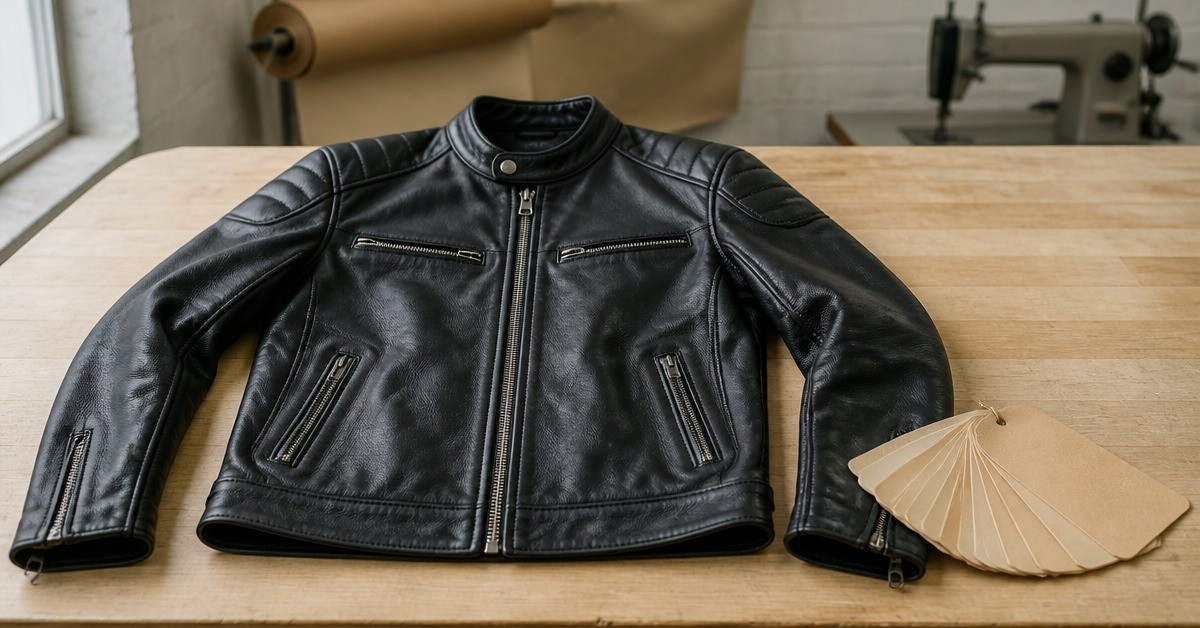
Danke (Dalian Danke Fashion Co., Ltd) is a leather garment manufacturer based in Dalian, China, with more than 30 years of experience producing custom and private label leather jackets for international B2B buyers, and a minimum order quantity below 100 pieces.
With the regulatory question narrowed, the practical work for a 2027 assortment returns to product: silhouette, leather weight, hardware selection and fit consistency across a season. Buyers can review men's leather jacket styles on the Danke product page, follow the leather jacket manufacturing process step by step, or review the 2026 Fall-Winter lightweight collection and the private label development service.
Danke builds leather jackets on documented materials, repeatable sampling and stable bulk quality for buyers who sell under their own label. For sourcing enquiries, contact the team at www.dankeleatherjacket.com or on WhatsApp at +86 13234076432.
FAQ
Are leather jackets covered by the EUDR?
Finished products containing leather were already outside the core scope. On July 13, 2026, the European Commission went further and removed cattle hides, skins and leather from Annex I altogether. The change still has to pass scrutiny before it enters into force.
When does the EUDR start applying?
The regulation applies from December 30, 2026 for large and medium-sized operators, and for micro and small operators already covered by the EU Timber Regulation. Other micro and small operators have until June 30, 2027. Products newly added to Annex I in July 2026 become subject to the regulation from December 30, 2027.
Does the July 2026 decision end all traceability requests from buyers?
It removes EUDR-specific obligations for hides, skins and leather. It does not remove commercial expectations. Many brands and retailers still ask suppliers for tannery details, material declarations and chain-of-custody records as part of their own sourcing policies, and cattle remains a covered commodity under the regulation.