EU Bans Destroying Unsold Leather Apparel From July 2026: A Leather Jacket Sourcing Brief
- Share
- publisher
- Melvin
- Issue Time
- Sep 17,2026
Summary
On July 19, 2026, the European Union's ban on destroying unsold consumer products entered into application, and leather apparel is on the list it covers.
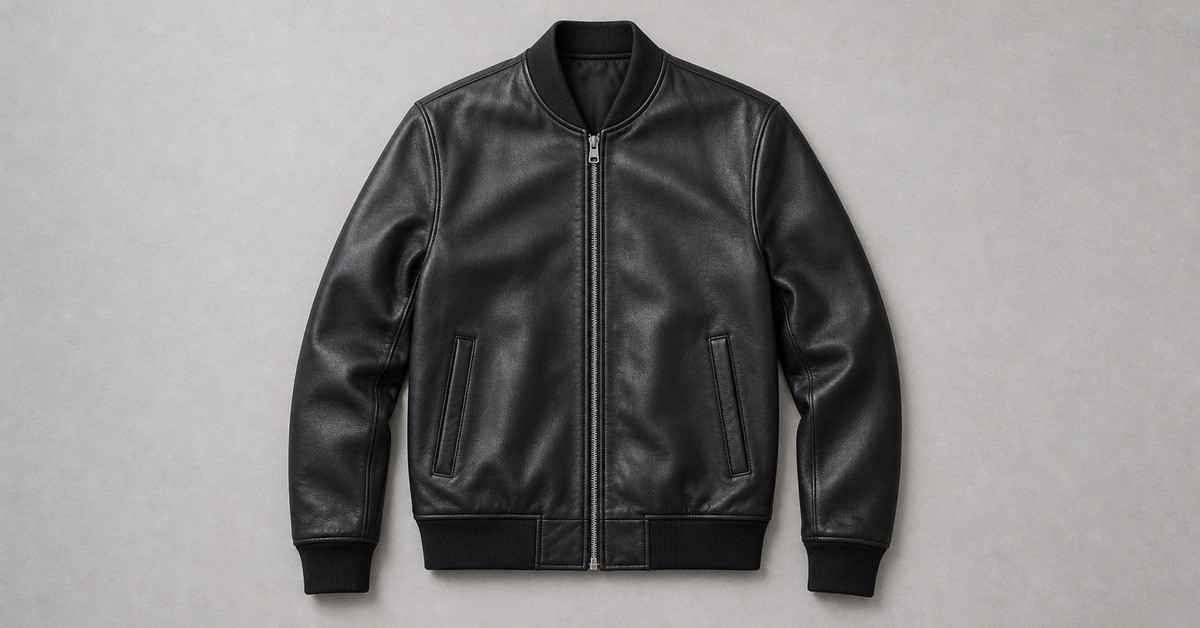
On July 19, 2026, the European Union's ban on destroying unsold consumer products entered into application, and leather apparel is on the list it covers. For anyone supplying a leather jacket to the European market, the change lands in two places: what happens to unsold stock, and what a buyer must be able to show an authority on request.
What the ESPR Changed, and When
Regulation (EU) 2024/1781, the Ecodesign for Sustainable Products Regulation, was adopted on June 13, 2024 and published in the Official Journal on June 28, 2024. It entered into force on July 18, 2024, the twentieth day following publication.
The regulation sets a framework for ecodesign requirements, creates the Digital Product Passport, and establishes a framework to prevent unsold consumer products from being destroyed. Article 25(1) is the hard edge: from July 19, 2026, destroying unsold consumer products listed in Annex VII is prohibited.
Leather Apparel Is Named in Annex VII
Annex VII is short. Its first group covers apparel and clothing accessories and lists commodity code 4203, articles of apparel and clothing accessories of leather or composition leather. Footwear, including codes 6403 and 6404, forms the second group. A finished leather jacket falls in the first.
The prohibition does not apply to micro and small enterprises, and it reaches medium-sized enterprises from July 19, 2030. For large operators, the July 19, 2026 date written into the text is the operative one.
Article 25(5) lists the grounds on which a delegated act may create derogations, among them health and safety, damage detected after return that cannot be repaired cost-effectively, unfitness for the intended purpose, non-acceptance of products offered for donation, and unsaleability through infringement of intellectual property rights.
Disclosure Rules and the Digital Product Passport
Article 24 adds a reporting duty. Operators that discard unsold consumer products, directly or through a third party, must publish the number and weight discarded per year by product type, the reasons for discarding, and the proportion sent to reuse preparation, remanufacturing, recycling, other recovery and disposal.
That information has to sit in a clear and visible way on an easily accessible page of the operator's website, and be updated annually. Micro and small enterprises are exempt; medium-sized enterprises start from July 19, 2030.
The published figures are verifiable. Under Article 24(2), the Commission or a national authority can request the supporting documentation, and operators have 30 days to provide it. Consolidated EU information on destruction is due from the Commission by July 19, 2027.
Apparel also leads the ecodesign queue. Article 18(5) names textiles, in particular garments and footwear, among the groups the first working plan had to prioritise, and the plan adopted in April 2025 kept that ranking. According to the European Commission's textile apparel briefing, the ESPR delegated act for textiles is planned for Q4 2027, and the Commission notes that the timeline may evolve.
Textile-specific passport requirements will be defined in that same act. The passport will be reachable at online points of sale and through a data carrier on the product itself, such as a QR code, and the information may cover product identification, fibre composition where relevant, use, repair and maintenance guidance, origin, and the identification of the operators involved.
The duty falls on operators placing textile apparel on the EU market, in practice manufacturers, producers or importers. Distributors, dealers and suppliers may also be required to provide information they hold.
What This Means for a Leather Jacket Sourcing Program
For a buyer, the practical question is which party holds the data. Surplus and returned stock now carry a documentation trail: what was discarded, why, and where it went. If a brand cannot answer that for leather apparel, the exposure sits on its published disclosure, not on the factory floor.
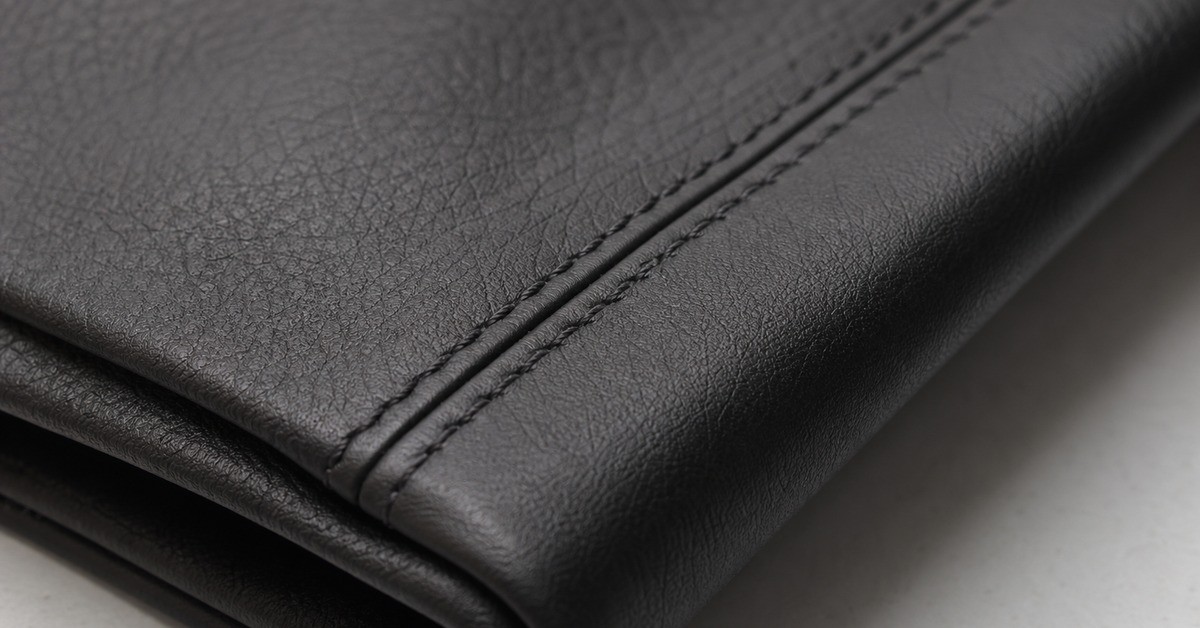
Product identification, material composition and origin are the fields that will matter, and they are produced upstream. A supplier that already records material and process detail per style can hand it over once a delegated act settles the data set, which is the working assumption behind well-run private label leather jacket programmes.
Danke takes that position deliberately. Dalian Danke Fashion Co., Ltd is a leather jacket manufacturer working with private label and OEM buyers, and we keep style-level records that answer material, process and traceability questions when a buyer asks.
Buyers planning against the ESPR timeline can review our leather jacket manufacturing process or browse our leather jacket collection at www.dankeleatherjacket.com, and send a specification to our team on WhatsApp +86 13234076432.
Frequently Asked Questions
Does the EU destruction ban cover a leather jacket that was never sold?
Yes, for operators that are not micro or small enterprises. Annex VII lists commodity code 4203 for apparel of leather, and Article 25(1) applies the prohibition from July 19, 2026. Medium-sized enterprises come into scope five years later.
When will the Digital Product Passport apply to leather jackets?
The Commission's indicative timeline places the ESPR delegated act for textiles in Q4 2027, with technical specifications afterwards. That act will settle both the ecodesign requirements and the textile-specific passport data.
What should a buyer ask a supplier for now?
Three categories are worth collecting ahead of the act: per-style material composition, origin information for the leather and components, and repair and care data. They are least costly to capture while a style is still in production.