US Bill Would Bar Deforestation-Linked Leather Jacket Imports From 2029
- Share
- publisher
- Melvin
- Issue Time
- Sep 18,2026
Summary
On May 12, 2026, Representative Lloyd Doggett of Texas introduced H.R.8744, the TREE Act, which would make it unlawful to import goods linked to deforestation into the United States from January 1, 2029.
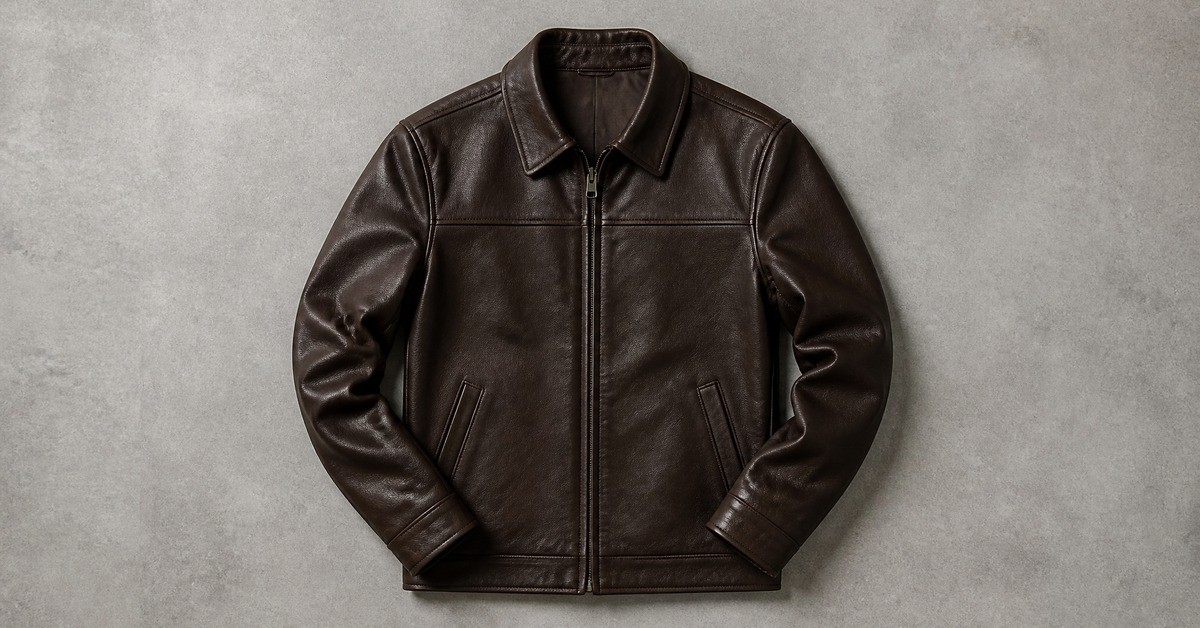
On May 12, 2026, Representative Lloyd Doggett of Texas introduced H.R.8744, the TREE Act, which would make it unlawful to import goods linked to deforestation into the United States from January 1, 2029. Cattle are the first commodity the bill names, placing leather, and leather jacket supply chains, inside the debate.
The bill went to the House Ways and Means Committee, along with Foreign Affairs and Energy and Commerce, and the congressional action list records no further step. None of it is law today.
What the Bill Would Prohibit
Section 2(a) would bar an operator or trader from importing a deforestation good, and from introducing, manufacturing, selling, trading or advertising one in interstate commerce. Section 2(b) adds a separate offence for false records, accounts or labels.
Why Cattle Hides Are Central to the Text
Section 6(2) lists six covered commodities: cattle, cocoa, palm oil, rubber, soy and wood. Cattle is the one that reaches a hide, and a hide reaches a finished jacket, so the definition chain carries more weight than the headline ban.
A covered product, under Section 6(3), is any item fed with, made with, containing, or otherwise produced with a covered commodity. Section 6(1) defines agriculture use to include rearing livestock, the activity that puts grazing land in scope.
Section 6(6) holds the timing test: a good is covered only if it came from land subject to deforestation or forest degradation on or after December 31, 2020. Section 6(7) sets the forest threshold at more than 0.5 hectares, trees above 5 metres and canopy above 10 percent.
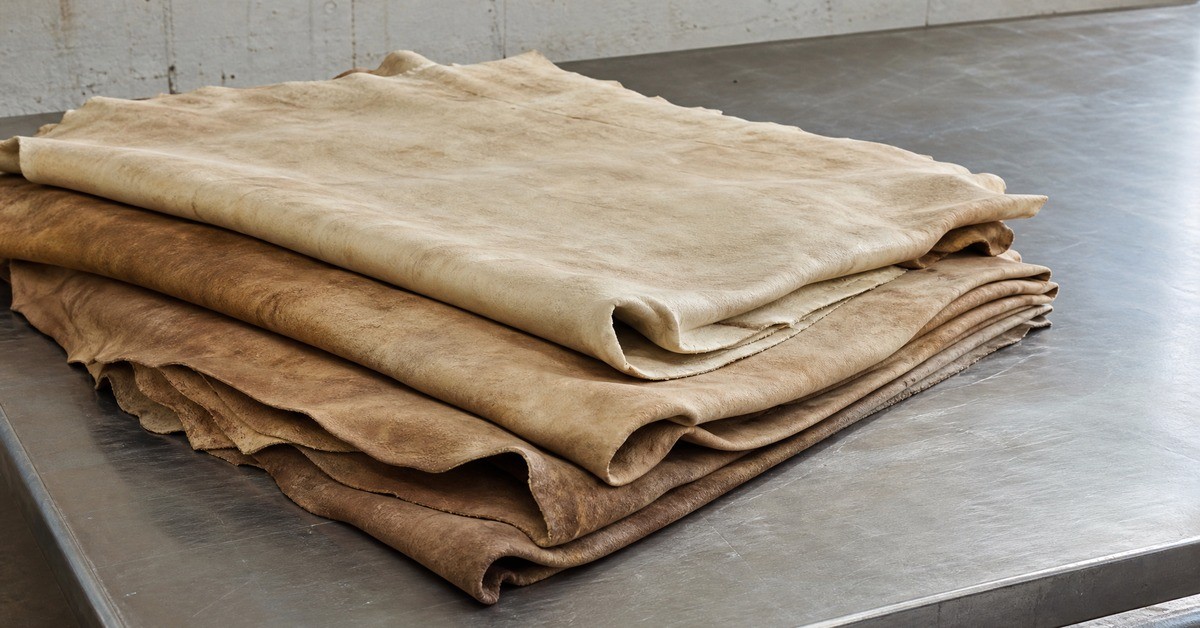
The bill names no tariff codes. Finished leather coats and jackets sit in HTS heading 4203, where subheading 4203.10.40 carries a 6 percent general rate and statistical lines for coats and jackets. How a finished jacket is treated would be settled in rulemaking, not read off the bill.
The Dates and Numbers to Plan Against
Enforcement runs through Customs and Border Protection. Section 3(a) would require the Commissioner of CBP to demand a due diligence statement from every operator or trader importing a covered commodity.
Section 3(b) requires: the trade name and quantity of each commodity, the scientific name of any wood, origin and geolocation coordinates for goods from higher risk countries, every supplier in the chain, and verifiable evidence that the goods are deforestation free.
Penalties are set against revenue rather than volume. Section 3(c) caps a civil penalty at 4 percent of the violator's total United States revenue for the preceding fiscal year and requires confiscation of each offending good. Repeat violations carry an import ban of up to 12 months.
Inspection rates are written into the bill. From December 31, 2029, CBP would inspect at least 9 percent of goods from Level I countries, 3 percent from Level II and 1 percent from Level III each calendar year.
The risk list comes from USTR. Section 4(a) sets December 1, 2029 for categorizing every country, and every two years after that, with publication by December 31, 2029. Until then, Section 4(a)(3) places every country and region at Level II.
Section 4(c) sets the criteria: deforestation and forest degradation rates since December 31, 2020, plus the pace of agricultural land expansion for covered commodities. One supplementary factor is the risk classification the European Union has assigned under its own deforestation regulation.
What This Means for a Leather Jacket Sourcing Program
The practical work does not start in 2029. If a buyer has to produce hide origin, supplier identity and location data on request, that data has to be captured while a style is in production, not reconstructed afterwards from a purchase order.
Three record sets cover most of the exposure the bill describes: which tannery and which farm group supplied the hides, the country and region of origin for each hide lot, and the composition of every material in the finished jacket.
Danke takes that position deliberately. Dalian Danke Fashion Co., Ltd is a leather jacket manufacturer working with private label and OEM buyers, and we record hide origin, material composition and production route at style level, which is what makes a documentation request answerable.
Buyers planning against the 2029 timeline can follow our hide-to-finish production flow, review custom leather jacket development, or compare the European position in our briefing on EU rules on unsold leather apparel. Hide documentation questions can go to our team on WhatsApp +86 13234076432, and the wider range is at www.dankeleatherjacket.com.
Frequently Asked Questions
Is the TREE Act law in the United States?
No. H.R.8744 was introduced on May 12, 2026 and referred to House committees, and the action list shows no further step. The January 1, 2029 prohibition is a proposal, not a current obligation.
Does the bill cover a finished leather jacket?
The bill names cattle as a covered commodity and defines a covered product in terms of items made with or produced with one, but it lists no tariff codes. How finished leather apparel is treated would be decided in rulemaking.
What should a leather jacket buyer document now?
Three items are least costly to capture while a style is in production: the tannery and hide source for each lot, the country and region of origin, and the material composition of the finished jacket.