US Tightens Forced Labor Import Rules: What Leather Jacket Buyers Must Verify
- Share
- publisher
- Melvin
- Issue Time
- Sep 22,2026
Summary
On July 31, 2026, the U.S. Department of Homeland Security added 43 companies to the UFLPA Entity List, the largest single expansion of that list to date. The additions took effect on August 3, 2026, when U.S. Customs and Border Protection began applying a rebuttable presumption of forced labor to their goods.
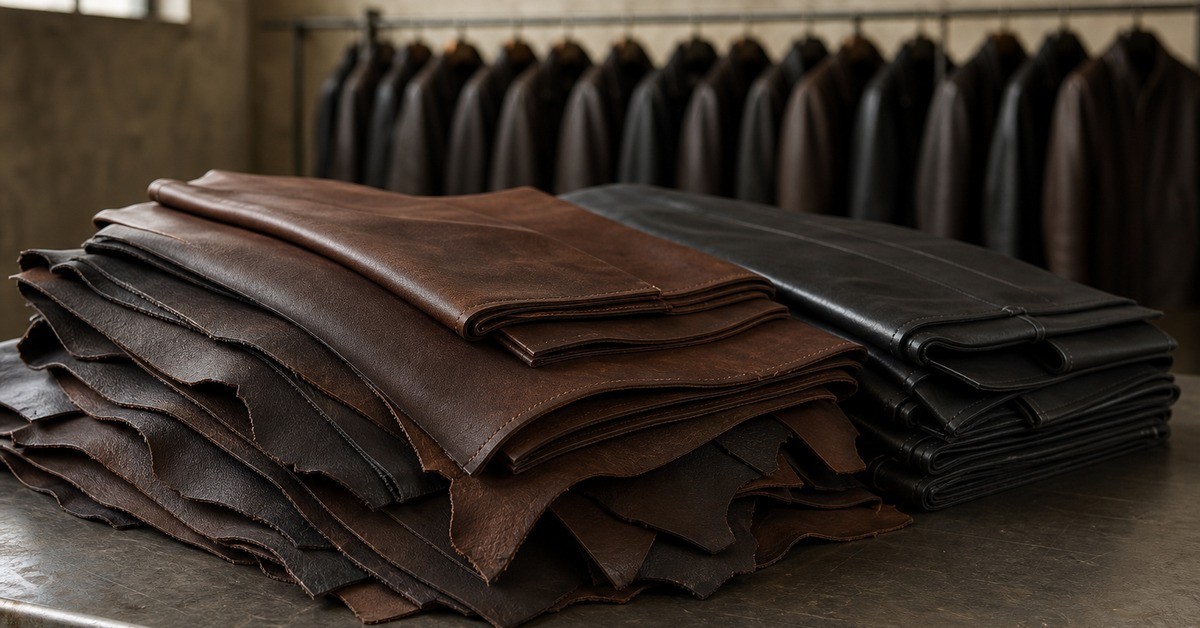
On July 31, 2026, the U.S. Department of Homeland Security added 43 companies to the UFLPA Entity List, the largest single expansion of that list to date. The additions took effect on August 3, 2026, when U.S. Customs and Border Protection began applying a rebuttable presumption of forced labor to their goods.
Weeks earlier, on July 24, 2026, additional Section 301 duties of 10 percent to 12.5 percent began applying to imports from 60 trading partners. For leather jacket buyers, the two measures change what has to be documented before a shipment leaves the factory.
Two Controls, Two Different Consequences
The UFLPA was signed on December 23, 2021 and implemented on June 21, 2022. It establishes a rebuttable presumption that goods mined, produced or manufactured wholly or in part in the Xinjiang Uygur Autonomous Region, or by an entity on the Entity List, are made with forced labor and are barred from entry under 19 U.S.C. 1307.
Section 301 works differently. It does not stop a shipment at the border; it adds a duty at entry. A consignment can clear customs and still carry a higher landed cost, while one caught by the UFLPA presumption cannot enter unless the importer rebuts it.
What Changed on July 31 and August 3
The 43 additions bring the Entity List to 187 entities, a 30 percent increase and the single largest expansion since the list was created. The new entries sit in sectors that DHS describes as high-priority for enforcement, including apparel, aluminum, copper, cotton, tomatoes and downstream products.
The Forced Labor Enforcement Task Force also made technical updates to the official names of two entities already on the list, and DHS published the revised list as an appendix to a Federal Register notice on August 3, 2026, cited as 91 FR 48913.
Enforcement volume is already significant. CBP has denied entry to more than 24,300 shipments under this authority since the UFLPA took effect. In June 2026, CBP issued new Withhold Release Orders covering copper products made in Serbia and apparel made in Jordan.
The New Section 301 Duty Rates
USTR took final action on July 23, 2026, after 60 investigations, more than 1,600 written comments and three days of hearings. The duties apply to goods entered on or after 12:01 a.m. Eastern time on July 24, 2026, with a transit exception for goods loaded before that point and entered before July 28, 2026.
A 10 percent rate applies to economies that impose a forced labor import prohibition, have committed to one through an Agreement on Reciprocal Trade, or operate a partial regime. That group includes Argentina, Bangladesh, Cambodia, Canada, Ecuador, El Salvador, Guatemala, Honduras, India, Indonesia, Jordan, Malaysia, Mexico, Pakistan, Sri Lanka, Trinidad and Tobago, and the United Kingdom.
Certain products of the European Union, Taiwan, Japan, Korea and Switzerland face 10 or 12.5 percent net of the most-favored-nation rate. All other investigated economies face 12.5 percent, and the 54 economies found to have failed to impose and effectively enforce a prohibition include China and Vietnam.
Exemptions cover informational materials, donations, accompanied baggage, articles subject to Section 232 tariffs and products listed by tariff line in the annexes to the notice. USTR also set tariff-rate quotas for Bangladesh, Cambodia, Indonesia and Malaysia, tied to their imports of United States cotton and textile goods.
The action reaches 60 trading partners accounting for 99.4 percent of United States imports, so the country named on a purchase order now carries a measurable duty difference.
What a Leather Jacket Buyer Should Hold on File
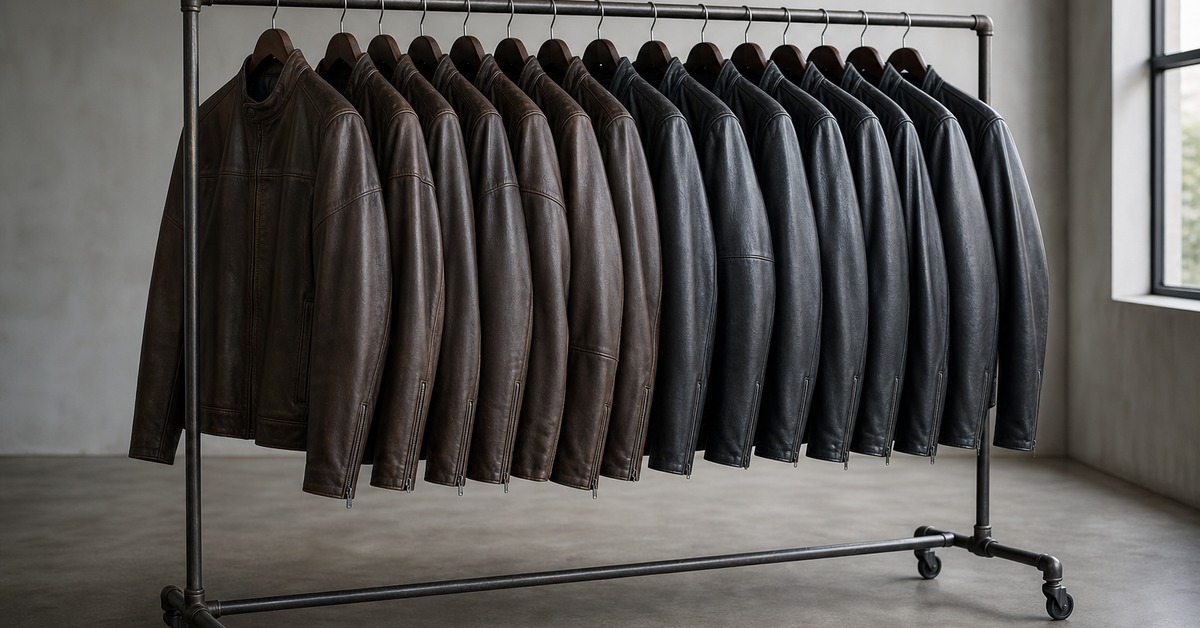
The practical test is whether a supply chain can be shown from raw material to finished jacket. For a leather jacket program that means hide and lining origin by consignment, supplier declarations for each tier, and production and transaction records tying the material to the order.
Two questions decide exposure at the border and again at entry. Where was each component produced, and which tariff line applies to the finished garment. Both need documentation rather than assumption, because the tariff line determines whether an exemption applies.
Danke, the export brand of Dalian Danke Fashion Co., Ltd, manufactures men's leather jackets for wholesale and private-label programs and can supply order-level production records to buyers assembling a compliance file.
To review the current leather jacket range or discuss documentation for an upcoming order, visit www.dankeleatherjacket.com or message the export team on WhatsApp at +86 13234076432.
For related reading, see the electronic filing rules now in force for United States consumer product imports, how Danke manages hide and panel production and the wholesale buyer FAQ on leather jacket orders.
The primary sources are the DHS announcement of July 31, 2026 and the USTR fact sheet on the Section 301 action.
Does the UFLPA apply to leather jackets?
The statute governs where goods come from, not what they are. A leather jacket falls under the rebuttable presumption if it was produced wholly or in part in the listed region, or by an entity on the Entity List, regardless of product category.
Do the new Section 301 duties replace existing tariffs?
No. The duties are additional and sit on top of general and other applicable rates, with defined exemptions such as articles subject to Section 232 tariffs and the products listed by tariff line in the annexes to the notice.
What should an importer keep on file?
Records that show the full path of the goods: hide and lining origin by consignment, supplier declarations at each tier, and production and transaction records linking the material to the order. CBP published importer guidance on forced labor enforcement in June 2026.