EU Product Liability Rules Apply From December 9, 2026: A Leather Jacket Buyer Brief
- Share
- publisher
- Melvin
- Issue Time
- Sep 23,2026
Summary
From December 9, 2026, the European Union replaces the product liability rules it has applied since 1985. Member States must have transposed Directive (EU) 2024/2853 by that date, and every leather jacket placed on the EU market afterwards falls under the new regime instead.
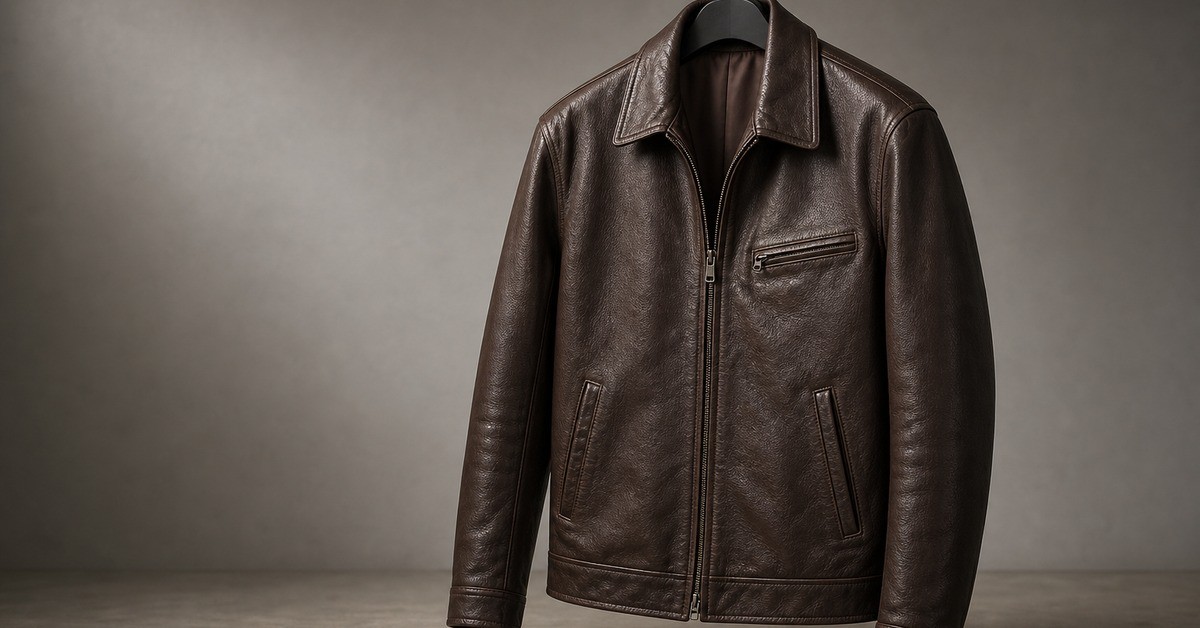
From December 9, 2026, the European Union replaces the product liability rules it has applied since 1985. Member States must have transposed Directive (EU) 2024/2853 by that date, and every leather jacket placed on the EU market afterwards falls under the new regime instead.
For buyers who source leather jacket programs outside the EU and sell them under their own brand, the changes fall in 3 areas: who counts as the manufacturer, what evidence a court can demand from the supply chain, and how long a claim can follow a shipment.
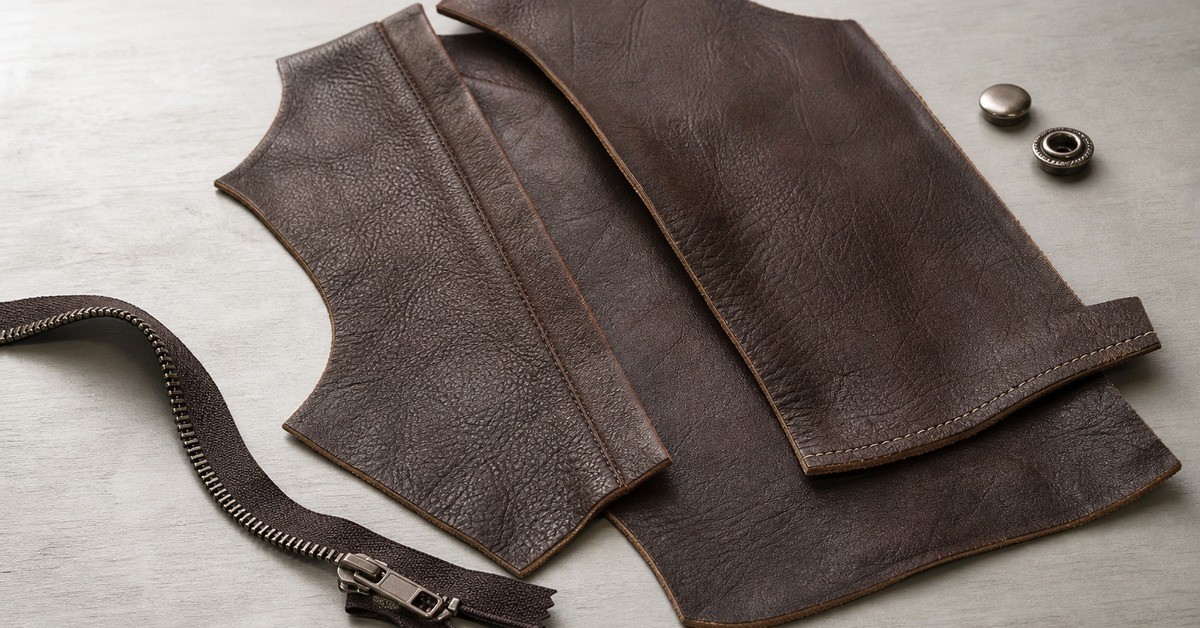
What Changes on December 9, 2026
Directive (EU) 2024/2853 was adopted on October 23, 2024 and published in the Official Journal on November 18, 2024. It entered into force 20 days after publication, and Article 22 requires Member States to bring the measures needed to comply into force by December 9, 2026.
Article 2 restricts the new rules to products placed on the market or put into service after that date. Products already on the market before December 9, 2026 remain governed by Council Directive 85/374/EEC, which the same directive repeals with effect from that day.
Who Counts as the Manufacturer
The directive's definition of manufacturer covers any person who has a product designed or manufactured, or who presents themselves as its manufacturer by putting their own name, trademark or other distinguishing features on the product.
That wording reaches the brand that buys finished jackets from a factory and sells them under its own label, the standard shape of an own-brand program covered in how to build a custom leather jacket line for your brand.
It also treats as a manufacturer anyone who substantially modifies a product outside the manufacturer's control and then makes it available on the market or puts it into service.
Where the manufacturer is established outside the Union, the importer and the manufacturer's authorised representative are added to the list of liable operators, together with a fulfilment service provider where neither of them is established in the Union.
Distributors are liable where an economic operator established in the Union cannot be identified and the distributor does not identify one after the injured person asks.
Evidence, Presumptions and Deadlines
A product is defective where it does not provide the safety a person is entitled to expect, or the safety required under Union or national law. The assessment takes in labelling, design, composition, packaging and instructions, reasonably foreseeable use, applicable product safety requirements such as Regulation (EU) 2023/988, and any recall or authority intervention.
Under Article 9, a claimant who presents facts sufficient to support the plausibility of a claim can ask a national court to order the defendant to disclose relevant evidence at its disposal. Disclosure must stay necessary and proportionate, and courts are required to protect confidential information and trade secrets.
Article 10 sets out the situations in which defectiveness is presumed: the defendant fails to disclose evidence as required, the product does not comply with mandatory product safety requirements intended to protect against the damage suffered, or the damage was caused by an obvious malfunction during reasonably foreseeable use.
Recoverable damage is limited to death or personal injury, including medically recognised psychological harm, damage to property other than the defective product itself, and corruption of data not used for professional purposes. The limitation period is 3 years from the point the injured person became aware of the damage, the defect and the liable operator.
An expiry period of 10 years runs from the date the product was placed on the market, extended to 25 years where a personal injury emerges slowly enough that proceedings could not be started inside the first 10 years.
What Sourcing Teams Should Keep on File
Because non-compliance with mandatory product safety requirements can itself create a presumption of defectiveness, the file a buyer holds matters as much as the jacket. Useful records include test reports for restricted substances, material and finish specifications, labelling text, batch traceability, and the recall procedure agreed with the factory.
Warnings and instructions supplied with the product also form part of the defectiveness assessment, so care label wording, packaging text and any buyer-specific warning should be filed with the batch they shipped with.
The same documentation discipline sits behind Danke leather jacket production at Dalian Danke Fashion Co., Ltd, where each run is tied to its material records and inspection notes.
Buyers preparing for the December 2026 change can review the process behind a Danke men's leather jacket or read how the EU rules on destroying unsold leather apparel already affect overproduction, then start the traceability conversation through www.dankeleatherjacket.com or on WhatsApp at +86 13234076432.
Does the new directive apply to leather jackets made outside the EU?
Yes. It applies to products placed on the EU market after December 9, 2026 whatever their origin. For a manufacturer established outside the Union, liability can fall on the importer, the authorised representative, or a fulfilment service provider where neither is established in the Union.
Who is liable if we sell jackets under our own brand?
A person who has a product designed or manufactured, or who presents themselves as its manufacturer by putting their own name or trademark on it, is treated as its manufacturer. An own-brand program therefore carries manufacturer-level exposure rather than the lighter role of a distributor.
How long can a claim be brought?
3 years from the day the injured person became aware of the damage, the defect and the operator that can be held liable. Claims expire 10 years after the product was placed on the market, or 25 years where a personal injury only emerges slowly.