EU Drops Bovine Leather From Deforestation Rules: What Leather Jacket Buyers Should Know
- Share
- publisher
- Melvin
- Issue Time
- Sep 30,2026
Summary
On September 17, 2026, the European Commission published Commission Delegated Regulation (EU) 2026/2102 in the Official Journal. The act removes raw hides, tanned hides and finished bovine leather from the scope of the EU Deforestation Regulation, and it entered into force the following day.
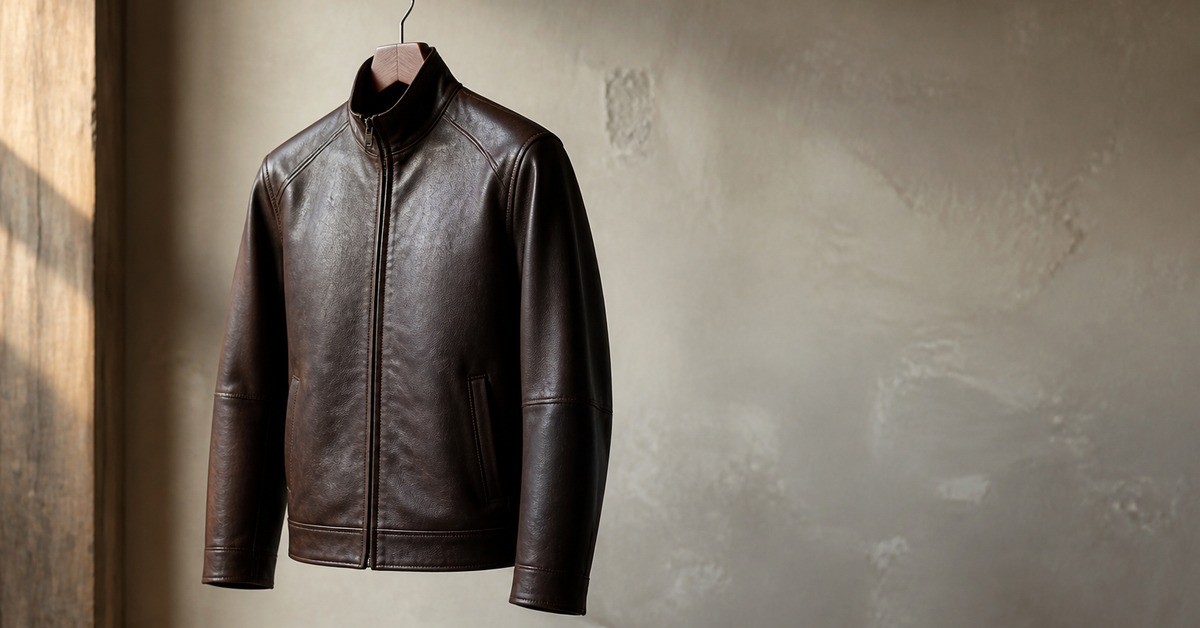
On September 17, 2026, the European Commission published Commission Delegated Regulation (EU) 2026/2102 in the Official Journal. The act removes raw hides, tanned hides and finished bovine leather from the scope of the EU Deforestation Regulation, and it entered into force the following day.
The change lands about three months before the regulation starts to apply to large and medium-sized operators on December 30, 2026. For a buyer placing a leather jacket order for the European market, it settles one due diligence question and leaves several others standing.
What the Commission Changed on September 17, 2026
The delegated act amends Annex I of Regulation (EU) 2023/1115, the list of commodities and products that the regulation covers. The Commission adopted it on July 13, 2026 and published it in the Official Journal on September 17, 2026, after scrutiny by the European Parliament and the Council.
Alongside hides, skins and leather, the same act removes re-treaded tyres, soybeans for sowing, articles of vulcanised rubber, conveyor and transmission belts, and aircraft and motor vehicle seats.
It adds soluble coffee, certain palm oil derivatives and frozen cattle tongues, as the Commission set out in its product scope update. The Commission describes the change as an update of the products covered, not of the commodities themselves.
The Three Customs Headings That Left Annex I
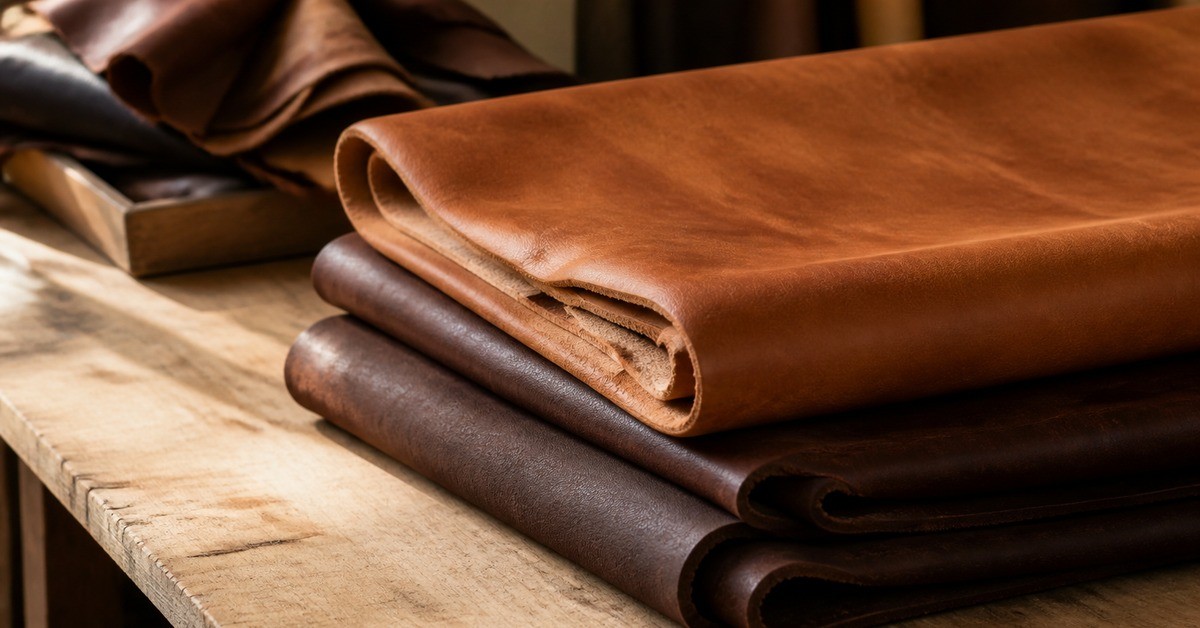
The Annex deletes three entries that sit before the finished-garment stage: ex 4101, raw hides and skins of cattle; ex 4104, tanned or crust hides and skins of cattle without hair on; and ex 4107, leather of cattle further prepared after tanning or crusting.
Finished leather garments were not listed in the cattle block of Annex I in the first place. That block covered live cattle, fresh and frozen meat, edible offal and prepared meat, together with the three hide and leather headings. Buyers met the obligation through the supply chain, where tanneries and hide traders had to hold due diligence statements for the goods they placed on the Union market.
Dates That Still Apply to Leather Jacket Orders
The application timetable has not moved. The EUDR applies from December 30, 2026 for large and medium-sized operators, and from June 30, 2027 for micro and small operators. Micro and small operators already covered by the EU Timber Regulation were brought forward to December 30, 2026.
Products newly added by the delegated act, including frozen cattle tongues, fall under the regulation from December 30, 2027. The same act states that the scope, and the possible inclusion of hides, skins and leather of cattle and derived products, will be part of the general review scheduled for 2030.
What It Means for Leather Jacket Sourcing
For materials that fall under the deleted headings, one layer of paperwork drops away. Hides, skins and bovine leather placed on the European market no longer need a due diligence statement or the geolocation data that travels with it.
Other obligations do not move. Chemical limits for leather articles, packaging rules for shipments and product liability rules each keep their own documentation trail.
A practical check for the next order is to confirm which customs heading the commercial documents name. Leather apparel such as jackets sits apart from the hide and leather headings, so purchase orders, invoices and test files should describe the material at the right level. The cutting and finishing steps remain the point where material origin is fixed.
How Danke Prepares Orders Under the New Scope
Danke, the export programme of Dalian Danke Fashion Co., Ltd, produces custom leather jackets for B2B buyers and keeps the material and origin records that each destination market asks for. Buyers can send the specification and the destination market, and agree what the file should contain before production opens.
The range is published at www.dankeleatherjacket.com, and questions on materials or documentation can go to the export team on WhatsApp at +86 13234076432.
Frequently Asked Questions
Does the EUDR still apply to leather jacket orders?
The regulation no longer covers raw hides, tanned hides and finished bovine leather, so those materials do not require an EUDR due diligence statement. Finished leather garments were never listed in the cattle block of Annex I.
When does the EUDR start to apply?
December 30, 2026 for large and medium-sized operators, and June 30, 2027 for micro and small operators. Products added by Delegated Regulation (EU) 2026/2102, such as frozen cattle tongues, apply from December 30, 2027.
Could leather return to the EUDR scope?
Yes. The act states that the scope, including hides, skins and leather of cattle and derived products, will be examined in the general review scheduled for 2030.