CBP Tightens Foreign Importer of Record Rules From January 5, 2027: What Leather Jacket Buyers Must Verify
- Share
- publisher
- Melvin
- Issue Time
- Nov 10,2026
Summary
U.S. Customs and Border Protection published an interim final rule on November 6, 2026 that changes how foreign companies can act as importer of record. From January 5, 2027, a foreign importer of record must be CTPAT validated or use a CTPAT validated licensed customs broker. Leather jacket buyers should confirm who files the entry and which documents support U.S. importer status.
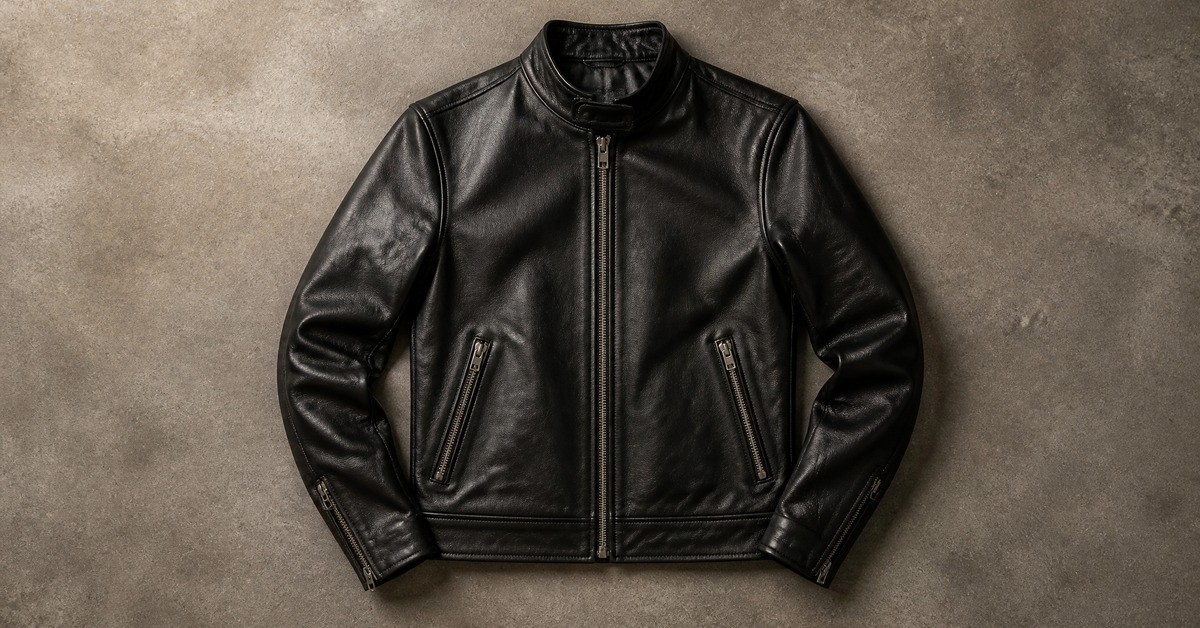
On November 6, 2026, U.S. Customs and Border Protection published an interim final rule that changes how foreign companies can act as importer of record when clearing goods into the United States. The rule takes effect on January 5, 2027, and it applies to every leather jacket shipment that requires a CBP Form 3461 or 7501, regardless of the product category.
What the Rule Changes for Foreign Importers of Record
The measure, titled Heightened Requirements for Foreign Importers of Record, creates a new Part 110 in Title 19 of the Code of Federal Regulations. It separates importers into two groups.
A U.S. importer of record must be a U.S. citizen or lawful permanent resident, or a company organized and located in the United States that is at least 51 percent owned by U.S. citizens or residents with control, or that directly owns a significant amount of unencumbered U.S. real property.
Any importer that does not meet those tests is a foreign importer of record. From January 5, a foreign importer of record may not enter goods for consumption unless it is a CTPAT validated participant, or unless it appoints a licensed customs broker that is CTPAT validated. If the broker files as importer of record for a principal that is not the owner or purchaser, the broker must also be CTPAT validated.
Why CBP Changed the Entry Rules
CBP ties the change to Executive Order 14411, Strengthening Customs Enforcement, signed on June 3, 2026. The agency says foreign importers are harder to hold accountable because their offices, bank accounts and assets usually sit outside the United States, and a shell company can disappear before a duty demand is issued.
Audit data covering January 1, 2020 to August 27, 2026 shows the collection gap. CBP identified $4.3 billion in lost revenue from U.S. importers and $1.16 billion from foreign importers, then collected $654 million, or 15.2 percent, from the first group and $35.7 million, or 3.1 percent, from the second.
Open bill data points in the same direction. As of February 6, 2026, CTPAT validated foreign importers owed an average of $1.21 per entry summary in unpaid bills, while non-validated foreign importers owed $34.08. The rule is designed to close that gap by tying entry privileges to a vetting program CBP already operates.
What Leather Jacket Buyers Should Verify Before Shipping
Purchase terms decide who carries the obligation. When a supplier sells on DDP terms and is named as the importer of record on the entry, that manufacturer meets the foreign importer definition. Buyers should read the importer of record box on the commercial invoice and the customs entry before the first 2027 shipment.
Where the buyer is the importer of record, the customs broker will ask for evidence of U.S. status before filing. CBP lists proof of citizenship or lawful permanent residence, corporate charters, financial statements, purchase receipts and documents of title as records a broker may review.
A newly formed U.S. entity should confirm that U.S. citizens or residents hold at least 51 percent of beneficial ownership and control, or that it owns qualifying U.S. real property.
Where the supplier is the importer of record, the buyer should ask two direct questions: is the supplier CTPAT validated, and if not, which CTPAT validated licensed broker will file the entry. Brokers must keep verification records for five years, so documentation should be complete rather than assembled at the port. Our private label leather jacket programs follow the same document flow for every order.
Deadlines and the Comment Window
The interim final rule takes effect on January 5, 2027. Comments are due the same day through Docket USCBP-2026-1387. Licensed brokers that need more time may submit a delayed compliance request by January 5, 2027, and must reach full compliance by May 6, 2027. CBP states that no further extensions will be granted.
CBP has not yet banned informal entries by foreign importers of record. It says it will monitor those filings and may extend the prohibition if the CTPAT requirement proves insufficient. Buyers with repeated small shipments should therefore treat the current treatment of informal entries as temporary.
Danke, the brand of Dalian Danke Fashion Co., Ltd, manufactures men's leather jackets and women's styles for importers and private label programs. Our leather jacket manufacturing process keeps material and shipment records that support a buyer's customs file.
For order planning or documentation questions, visit www.dankeleatherjacket.com or message WhatsApp +86 13234076432. More background on the company is available on our about page.
Does the rule apply to leather jacket orders valued under $2,500?
Yes, when an informal entry must be filed on CBP Form 3461 or 7501. The rule covers both formal entries and those informal entries. A foreign importer of record must still be CTPAT validated or use a CTPAT validated licensed broker.
Who qualifies as a U.S. importer of record?
A U.S. citizen or lawful permanent resident, or a company organized and located in the United States that meets the ownership or U.S. real property test in 19 CFR 110.2.
What happens if a supplier cannot confirm its importer status?
The buyer can ask the supplier to ship under terms where the buyer is importer of record, or require the supplier to name a CTPAT validated licensed broker. A supplier that cannot confirm either option may face entry delays after January 5, 2027.