EU Withdraws Green Claims Directive in 2027 Work Programme: What Leather Jacket Buyers Must Verify
- Share
- publisher
- Melvin
- Issue Time
- Nov 13,2026
Summary
The European Commission has listed the Green Claims Directive among 18 proposals it intends to withdraw. Directive (EU) 2024/825 still governs how leather jacket claims are made in the EU, and buyers should now anchor substantiation in supplier files.
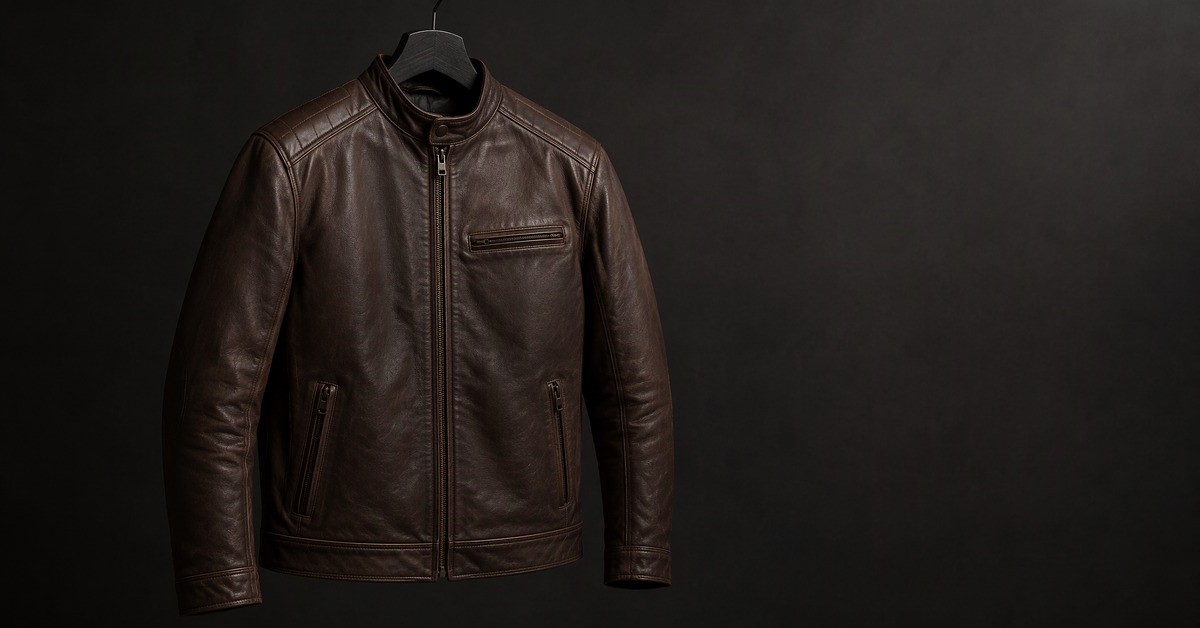
On November 4, 2026, the European Commission adopted its 2027 work programme and placed the proposed Green Claims Directive among 18 pending proposals it intends to withdraw within six months. The proposal, COM(2023) 166 final, would have required traders to substantiate explicit environmental claims before presenting them to EU consumers.
For leather jacket buyers, the decision removes a future verification layer; it does not remove the rules already in force.
Directive (EU) 2024/825 has applied since September 27, 2026. It amended the Unfair Commercial Practices Directive so that environmental and social characteristics, durability, reparability and recyclability count as main characteristics of a product. Generic environmental claims are prohibited unless recognised excellent environmental performance can be demonstrated.
Why the Commission Pulled the Proposal
Annex III of the 2027 work programme records the reasoning. The file had been pending with co-legislators for more than three years, the Council failed to agree a negotiating mandate in June 2024, and attempts by the Council presidency in 2025 did not advance it. The Commission judged the proposal unlikely to secure Council support within a reasonable timeframe.
The withdrawal sits inside a wider simplification package: 23 key initiatives, 10 simplification initiatives, 18 proposals to withdraw and 14 envisaged repeals. Nothing in the annex replaces the substantiation duties with a new horizontal instrument, which is why the operative rules remain the consumer law already in application.
What Still Governs Leather Jacket Claims
The blacklist in Annex I of Directive 2005/29/EC now captures generic environmental claims made without recognised excellent environmental performance. Examples named in the 2024 directive include environmentally friendly, eco-friendly, green, climate friendly, carbon friendly, biodegradable and biobased.
Sustainability labels face a parallel test. A trader may display a sustainability label only where it rests on a certification scheme or was established by a public authority, and must check that the scheme is transparent, credible and monitored by an independent third party.
Two further prohibitions matter for outerwear. Presenting a product as repairable when repair is not possible is banned, and comparative claims must compare products that serve the same function, using common methods and common assumptions.
What Buyers Should Request in 2027 Sourcing
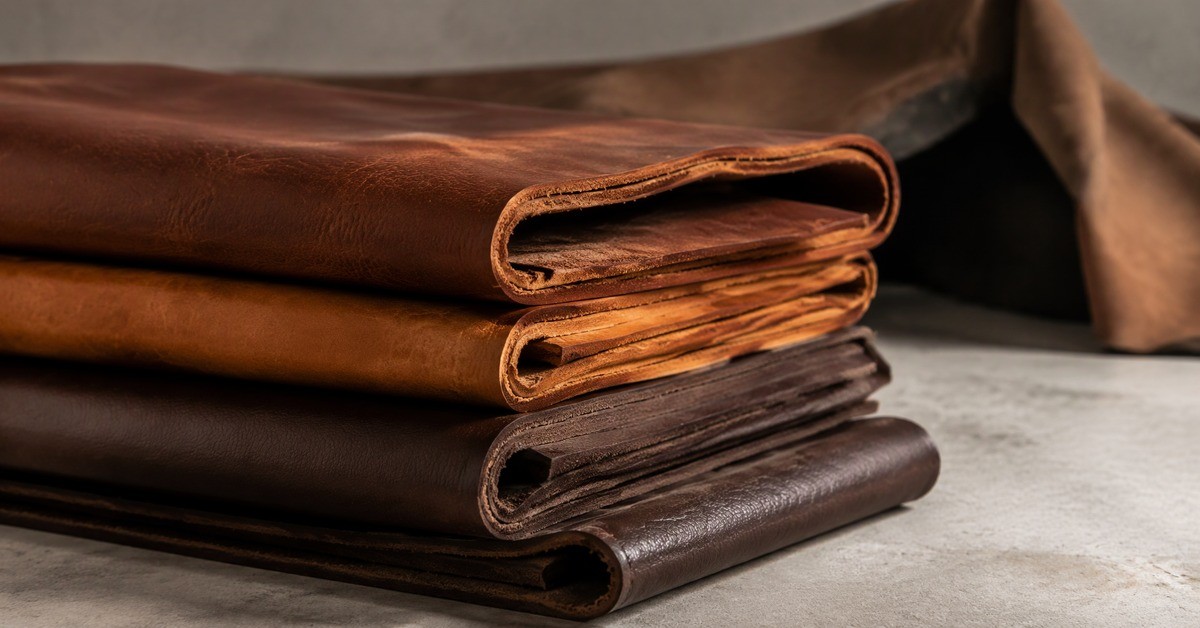
With the substantiation proposal gone, evidence moves into contracts and buyer questionnaires. A leather jacket order intended for the EU market should carry a documented chain from hide to finished garment: tannery name and location, hide origin, and the chemical management records behind any restricted-substance statement.
Claim wording deserves the same discipline as testing. A supplier that describes a jacket as sustainable leather without a defined method creates exposure for the brand that publishes the claim. Specific, verifiable statements about a material or a process are easier to defend than adjectives.
Data readiness extends beyond marketing. Regulation (EU) 2024/1781, the Ecodesign for Sustainable Products Regulation, provides for a digital product passport, and much of the information gathered for a claim file is the same information a passport will request later.
How Danke Supports Buyer Documentation
Dalian Danke Fashion Co., Ltd manufactures men's leather jackets for private label leather jacket programmes from Dalian, China. Order files can include material specifications, measured size sets and production records, and document requests are answered before a purchase order rather than after.
Danke does not publish certification claims it cannot evidence. Buyers who need scheme-based statements should ask for the exact scope and certificate holder at quotation stage, then confirm the scheme meets the transparency test in Directive (EU) 2024/825. The leather jacket manufacturing process is documented stage by stage for buyer audits.
Does the withdrawal leave green claims unregulated in the EU?
No. Directive (EU) 2024/825 has applied since September 27, 2026, and national authorities enforce it through the Unfair Commercial Practices Directive. The withdrawal removes a planned ex-ante verification system, not the prohibition on misleading claims.
Can a leather jacket be advertised as eco-friendly?
Not as a stand-alone generic claim. Eco-friendly is one of the examples listed in the directive, and it may be used only where recognised excellent environmental performance relevant to that claim is demonstrated. A documented description of a specific practice is the safer route.
What documents should a buyer request first?
Start with hide origin and tannery details, restricted-substance test reports covering the finished article, care and repair information, and the supplier's written substantiation file for every environmental claim that will appear on a listing or label.
Buyers planning 2027 ranges can review claim wording and supplier files with Danke before artwork is approved. Product information and quotation requests are handled through www.dankeleatherjacket.com, and technical questions can be sent by WhatsApp on +86 13234076432.