EU Adopts Two Lead Restrictions in Five Days: What Leather Jacket Buyers Should Ask About Metal Hardware
- Share
- publisher
- Melvin
- Issue Time
- Nov 19,2026
Summary
The European Commission adopted two restrictions on lead under REACH within five days this month, and both rely on the same 1 percent by weight threshold that already governs lead gunshot in wetlands. Regulation (EU) 2026/2501, adopted on November 12, 2026, covers fishing weights, lures and wires.
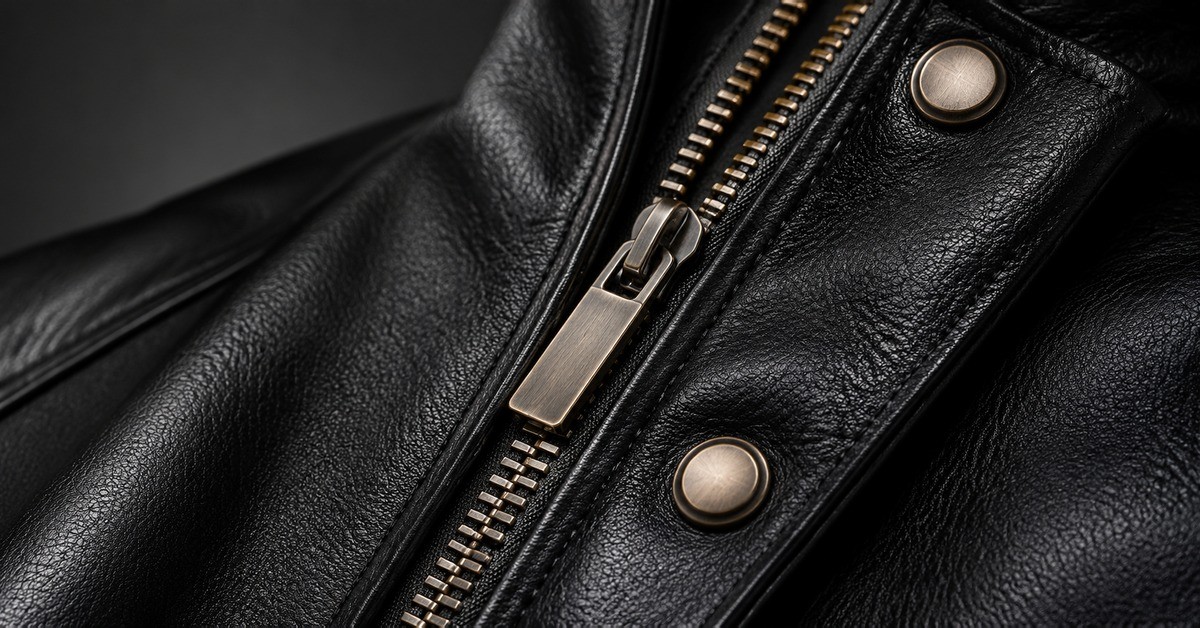
The European Commission adopted two restrictions on lead under REACH within five days this month, and both rely on the same 1 percent by weight threshold that already governs lead gunshot in wetlands.
Regulation (EU) 2026/2501, adopted on November 12, 2026, covers fishing weights, lures and wires. Regulation (EU) 2026/2530, adopted on November 16, 2026, covers gunshot. Neither text names apparel, yet both matter to buyers sourcing leather jacket programmes for the EU market, because the metal parts on a jacket are sourced separately from the leather.
Why Lead Keeps Returning to the EU Restriction List
Entry 63 of Annex XVII to Regulation (EC) No 1907/2006 already carries the EU's lead restrictions, including the ban on lead gunshot in or around wetlands introduced by Regulation (EU) 2021/57. The two November instruments amend that entry instead of building a new framework, which is why the legal language reads as a set of additions and deferred application dates rather than a freestanding ban.
The Commission's stated justification is exposure. Lead is classified as very toxic to aquatic life and toxic for reproduction, and the gunshot regulation records that no safe concentration threshold has been identified for human health. That reasoning is not tied to a single product group.
What the Two Regulations Change, and When
Regulation (EU) 2026/2501 bans the placing on the market and commercial use of fishing weights and lures containing at least 1 percent lead by weight. Sinkers intended to be released during use, and fishing wires, are covered from June 3, 2027. Small tackle weighing 50 grams or less follows on December 3, 2029, and tackle above 50 grams up to 1 kilogram on December 3, 2031.
Regulation (EU) 2026/2530 bans the use and sale of gunshot containing 1 percent lead or more, with an exception for sports shooting at ranges fitted with lead containment measures. It applies from December 7, 2033. Military and security uses sit outside the restriction, and both texts leave recreational use of lead fishing tackle to national rules.
Both regulations were published in the Official Journal on November 17, 2026. For sourcing teams, the staged calendar is the part to diarise: affected suppliers have between one and seven years to change materials, and neither instrument imposes retroactive recall duties.
The Hardware Question: Alloy Data Beats Material Names
Hardware on a leather jacket is usually brass, zinc alloy or steel, and it usually arrives from a different supplier than the leather. That separation is where documentation gaps appear. In recital 12 of Regulation (EU) 2026/2530, the Commission notes that brass, a copper alloy, currently contains up to 3 percent lead, and it raised the permitted level for copper-alloy projectiles to below 3 percent.
That sentence is useful in a sourcing conversation. It shows that a part described simply as brass is not automatically low in lead, and that a material name tells a buyer nothing about concentration. A finished-goods declaration covering the whole jacket can also conceal a single high-lead component inside the bill of materials.
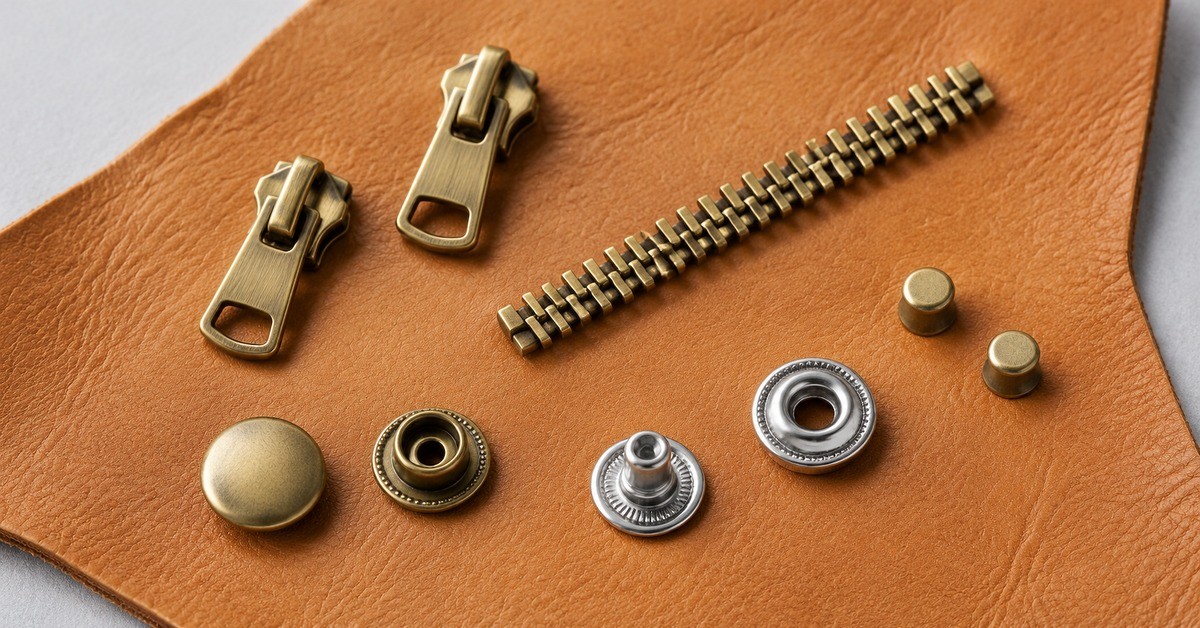
Zinc die-cast sliders and snaps deserve the same treatment. Alloy grades differ, and the grade, not the product category, determines what is actually in the part. Buyers who need a file that survives a market surveillance query should work from component data rather than from a supplier's general statement of conformity.
What to Put in the Next Purchase Order
Three items close most of the gap. First, a component-level bill of materials that lists every metal part and its alloy designation. Second, a lead content figure for each of those parts, issued by the hardware supplier rather than by the assembly factory. Third, a change-control clause requiring the declaration to be reissued if the alloy or the plating source changes before shipment.
Danke builds leather jacket programmes on component-level documentation, and the team can confirm which declarations are available for a specific style. Buyers can review the men's leather biker jackets range or send a specification through www.dankeleatherjacket.com and WhatsApp +86 13234076432.
Documentation also has to stay current. The Digital Product Passport registry will eventually ask for structured product data, and the same component records support both exercises. The full legal texts are available in the gunshot regulation and the fishing tackle regulation.
Frequently Asked Questions
Does the new EU lead restriction apply to leather jackets?
Not directly. Regulation (EU) 2026/2501 covers fishing tackle and Regulation (EU) 2026/2530 covers gunshot. Jackets fall under other REACH provisions, so buyers should confirm which Annex XVII entry governs each component rather than assuming the 1 percent figure applies to a zipper or a snap.
Are brass zippers covered by EU lead limits?
Brass parts are assessed under the restriction that applies to the article in which they are placed on the market. Because the Commission's own text records that brass can contain up to 3 percent lead, a declaration stating an actual concentration is more useful than a statement naming the material.
When do the two regulations take effect?
The fishing restriction starts on June 3, 2027 for released sinkers and wires, with later dates of December 3, 2029 and December 3, 2031 for other tackle by weight. The gunshot restriction applies from December 7, 2033.
Working With Danke
Danke, the trading name of Dalian Danke Fashion Co., Ltd, manufactures leather jackets for B2B buyers from its base in Dalian, China. Specifications, hardware options and component documentation are confirmed per style before a quotation is issued, and samples are produced against the approved specification sheet.
For current capacities, material options and document availability, contact the team at www.dankeleatherjacket.com or on WhatsApp +86 13234076432.